
“Prologue”
It took me a crazy long time to write what I thought would be a simple post about where my life sits in the popular pastime of “generation labelling”. I assumed it would start with me as a Baby Boomer… until I asked, “Have any generations before mine been named? In fact, when did all of this start?”
It started during the First World War, in the lifetime of my grandparents, so that’s a part of me too. As I read about that “Lost Generation”, I sank my teeth into learning about WWI itself… which led to the Roaring Twenties … which led to the Great Depression. Hours. Hours. If you know me, you also know that I was compelled to construct little information files for myself as well.
But I finally made it here. I refer to the generations as they largely apply on my own continent, and I accept that dates and ages can never be all-inclusive.
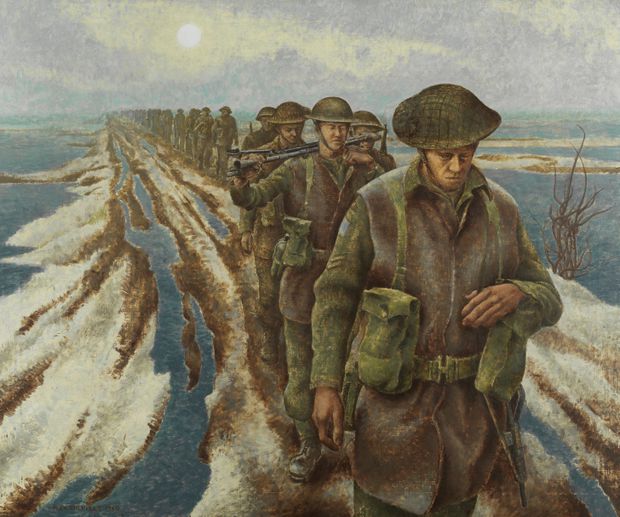
The Lost Generation (born 1883-1900)
Young adults during World War I (1914-1918).
This cohort was sent to fight in a war that advanced nothing for them or their society but still brought death in the horrific environment that was trench warfare. Loss of life was massive, increased yet more by the Spanish Flu pandemic at war’s end.
My Great-Grandfather Henry (born 1887)) came to Canada from Scotland with his young family in 1914. Enlisting 2 years later he was killed in the Battle of Passchendaele, Ypres, France. His wife’s family had also immigrated with them so thankfully my grandmother, her siblings and her mom had close relatives around her during a truly terrible time.
Survivors returned to an economic boom that was just getting going in North America with mind-boggling advances in electricity, plumbing, telephones, movies, automobiles, aviation, medications, and general construction. City jobs were plentiful but the idea of working hard to be successful was lost along with the old moral and social values.
With easy credit and heightened speculation on the stock market, young adults focused on the accumulation of wealth and the pleasures that went with it… which led to the craziness of the “Roaring Twenties”. Stocks crashed hard in the late 1920s, leaving those same adults to endure the weight of the Great Depression and the struggle to provide for their families for nearly a decade to come, so greatly disillusioned.
The Interbellum Generation (born 1900-1914)
These children may have lost family members in WWI but were not involved themselves.
They too were part of the Roaring Twenties and Great Depression, then too old to enlist in WWII.
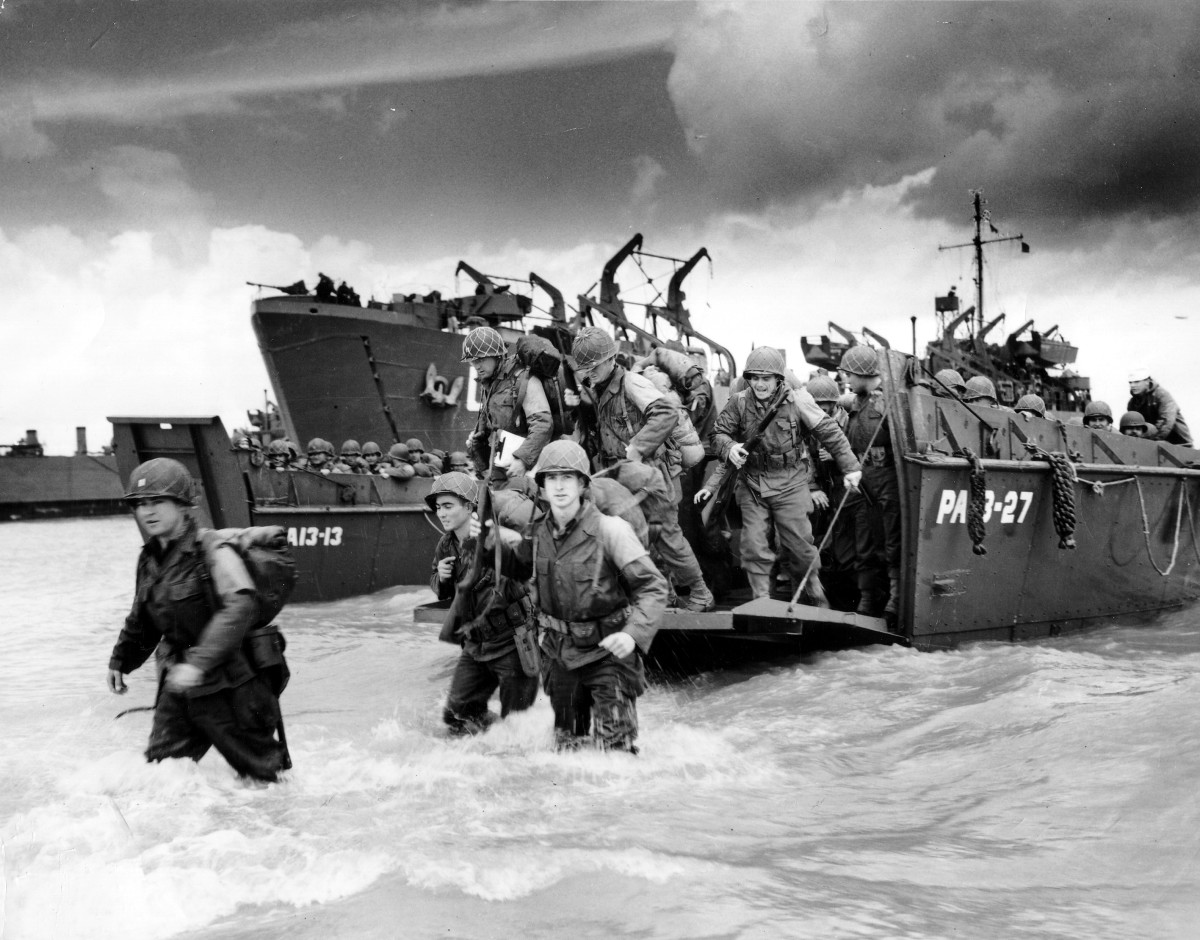
The Greatest Generation (born 1910-1927)
Young adults in WWII (1939-1945).
A very few, near the age of 100, are still alive today.
The “greatest generation” label came from a book written by war journalist Tom Brokaw.
Having lived through the Depression and then WWII, this cohort understood hardship and poverty and overcame both, insistent upon keeping high standards of personal responsibility. They were conservative, had a strong work ethic and remained modest, frugal, and trustworthy.
My Grandfather Thomas (born 1899 in Ontario) enlisted at age 18 in WWI and was injured in the Battle of the Somme, France, returning home at 21. He married, had three children (one of whom was my Mom) in Winnipeg and worked as an accountant.

The Silent Generation (born 1928-1945)
Children in WWII (1939-1945) where many lost parents or siblings.
They are in their 70s, 80s, and 90s today.
Numbers in this generation were relatively low since their parents had fewer children… and the ones they had they were highly protective of.
They lived within a system earned by their own parents so they worked hard to keep it, taking no risks and following the rules. They easily found work with good wages and now pensions as well, and found themselves able to purchase homes, cars, and some luxuries. They had plenty of children at a young age.
In their middle years they spearheaded the divorce revolution and popularized the term “midlife crisis”, but retired with comfortable finances.
As time progressed with their “Baby Boomer” children, they found themselves at odds with their children’s anti-establishment and overly permissive views, coining the term “generation gap”.
My own parents were born in 1933 and 1934. Dad is a high school teacher, Mom a homemaker. My growing years ran smoothly; I was not anti-establishment and so ran into very little conflict… with anyone.
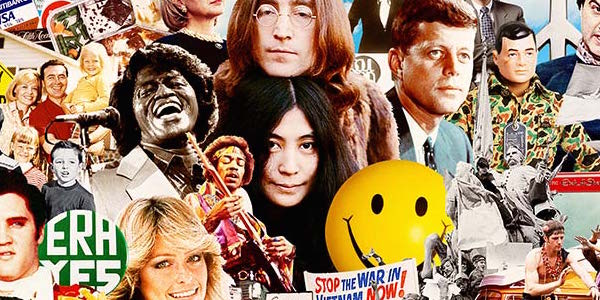
The Baby Boomers (born 1946-1964)
In their mid-50’s to mid-70’s today. I’m smack dab in the middle.
The Boomers are by far the largest cohort, born in the baby boom of post-WWII. They arrived in a time of economic comfort and opportunity. Though schools and universities got crowded and starting jobs much more competitive, they adjusted to focus on “careers” rather than “jobs”, becoming independent, confident and quite prosperous.
They are known for their involvement in social movements like civil rights, feminism, and anti-war (specifically Vietnam) but also the counter-culture of the hippie movement. They have always been unafraid of confrontation.
Boomers had fewer children and more money; as women began to join men in full-time occupations, but without the support of child care, their children were often left on their own after school, leading to the phrase “latch-key kids”.
Today they’re nearing or in retirement, looking after their own financial needs and the education of their children, not quite ready to give up the reins of control.
Well, here I am. I was definitely not a troublemaker, but hubby Larry tells me he clearly was! We’re both retired now, comfortable economically, and yes, we paid for our children’s education.
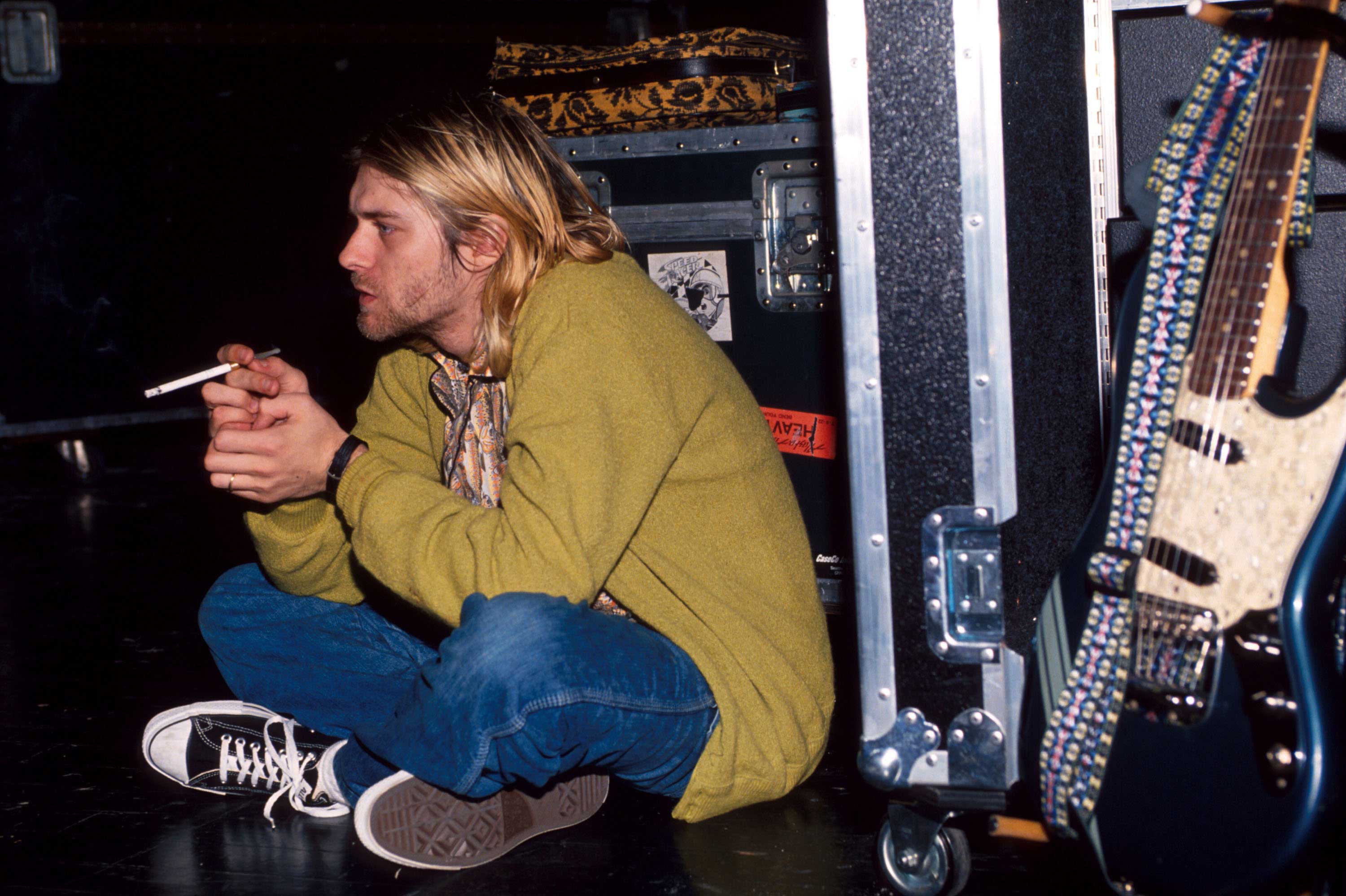
Generation X
(born 1965-1980)
40-55 today
Gen Xers witnessed the fall of the Berlin wall, the split of the Soviet Union, Tiananmen Square. They were the first to have personal computers; they have the highest level of education to date but also the highest debt load.
Gen Xers are practical, independent, and generally easy to get along with. Their Boomer parents were workaholics and they had no desire to become the same. Instead they’ve maintained a sensible balance between home and work and are generally more flexible and compromising.
My youngest sister and our oldest son fit right into the stereotype of this cohort.

The Millennials (Y)
(born 1981-1996)
25-40 today
Here sit the young adults of today. The older of the group cannot remember a time without computers or internet connections… or Google, Facebook, Amazon. They are highly educated but financially unstable.
Jobs have moved off-shore, there are fewer pensions on the horizon, and home ownership seems out of reach. The younger ones have been driven to become entrepreneurs, are much more comfortable with flexible work environments, and fend for themselves financially. As a result they have less brand loyalty and little patience for poor service or inefficiency. They use several social platforms as their contact base, keeping constantly in tune with each other and the fast-changing world around them.
Our two youngest sons sit here. The first has a stable, pensioned job; the second has balked at this, instead setting up a higher-risk but freer entrepreneurial income for himself.

Generation Z
(born after 1996)
Younger than 25 today
These kids cannot remember a time without smartphones; “screens” are part of their lives. They are much more tolerant of different cultures, race, sexual orientation, being racially and ethnically diverse themselves.
They are delaying long-term relationships, delaying driving, preferring debit to credit cards. They are less naïve, less optimistic, more cautious, less risk-taking.
Here then are my six grandchildren, all under ten. I look forward to watching them address the world!
It’s been really interesting to read how the generation definitions differ, but they must be interpreted with caution: many of us fit into the stereotypes but many do not and there is a fair bit of cross-over. I do enjoy following the predominant concepts, especially with Generations X, Y, and Z, because I know they’ll be at the front lines of all the challenges this century brings.
 My Name is Sydney Jo