
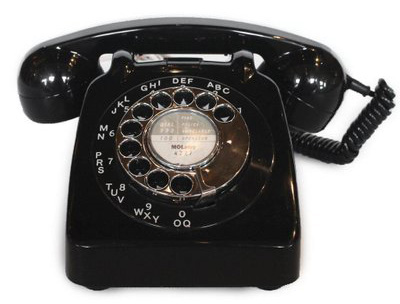
“My” first telephone was our family’s rotary phone, a basic black, bulky item that sat on top of the city phonebook on a shelf near the front entrance. Our number was “Spruce 2-6965” – with the “SP” of Spruce representing the first 2 digits. The phone’s finger holes had assigned letters and numbers that are still in use today (even on our smartphones!). To make a call, each number had to be dragged around the dial to the stop point, with ‘ones’ the closest to it and ‘zeros’ the furthest away. Some numbers therefore took longer to dial, and if an error was made it got to be fairly annoying.
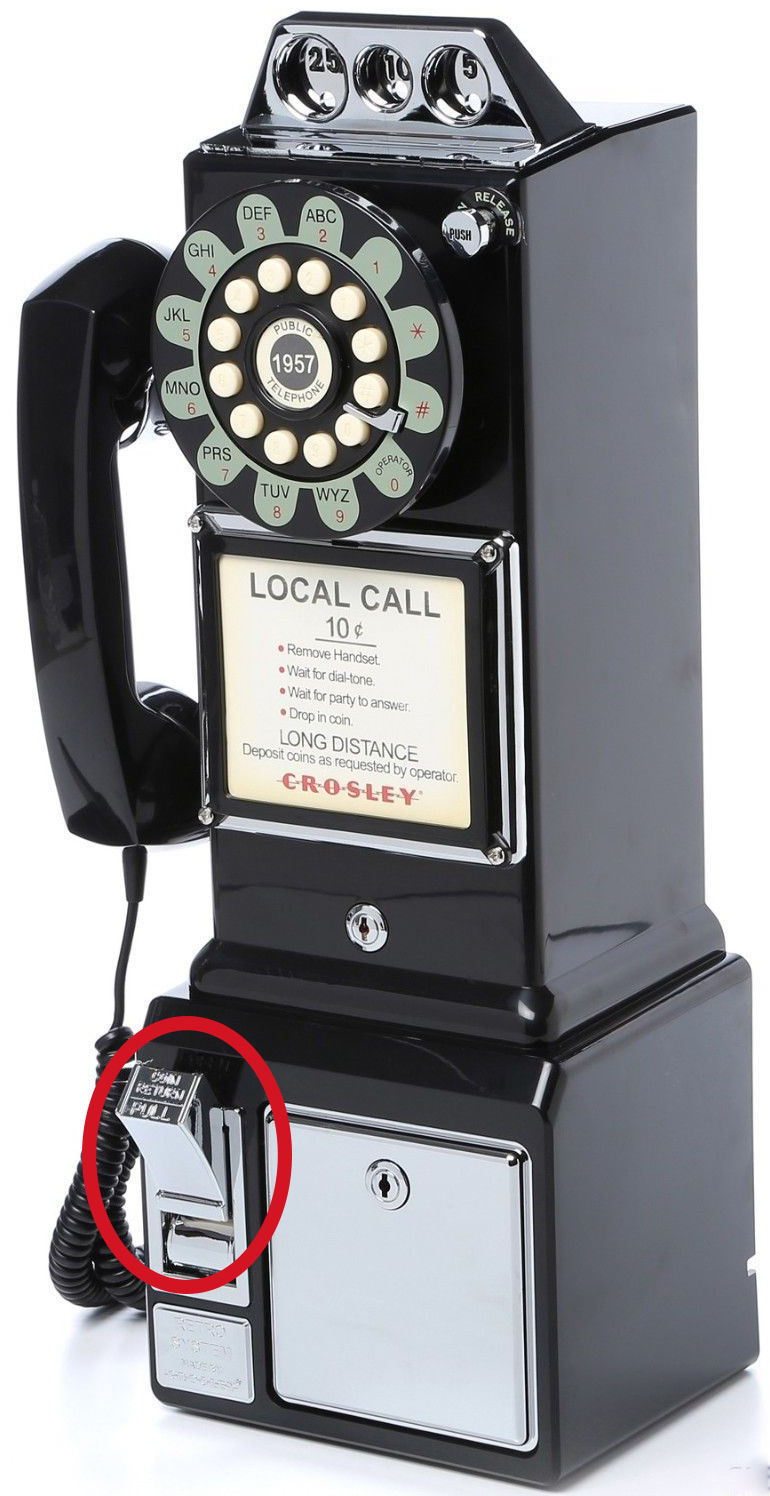
As a kid, I routinely ducked into any phone booth I came across – not to make a call but to check for coins left in the coin return, always hoping to find a nickel or dime. One day my tap on the lever produced a sudden avalanche of coins pouring out and on to the floor. Every time I tapped, more came. Wow! I ran home with pockets laden with loot but Dad ruined the day by reporting it to the phone company… and letting me know that I didn’t get to keep my windfall!


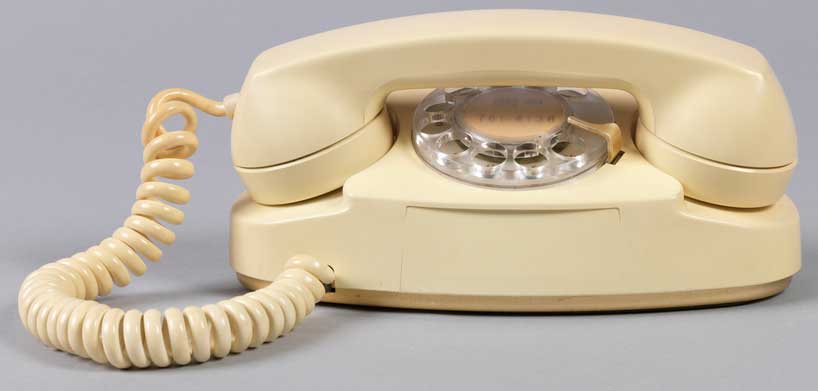

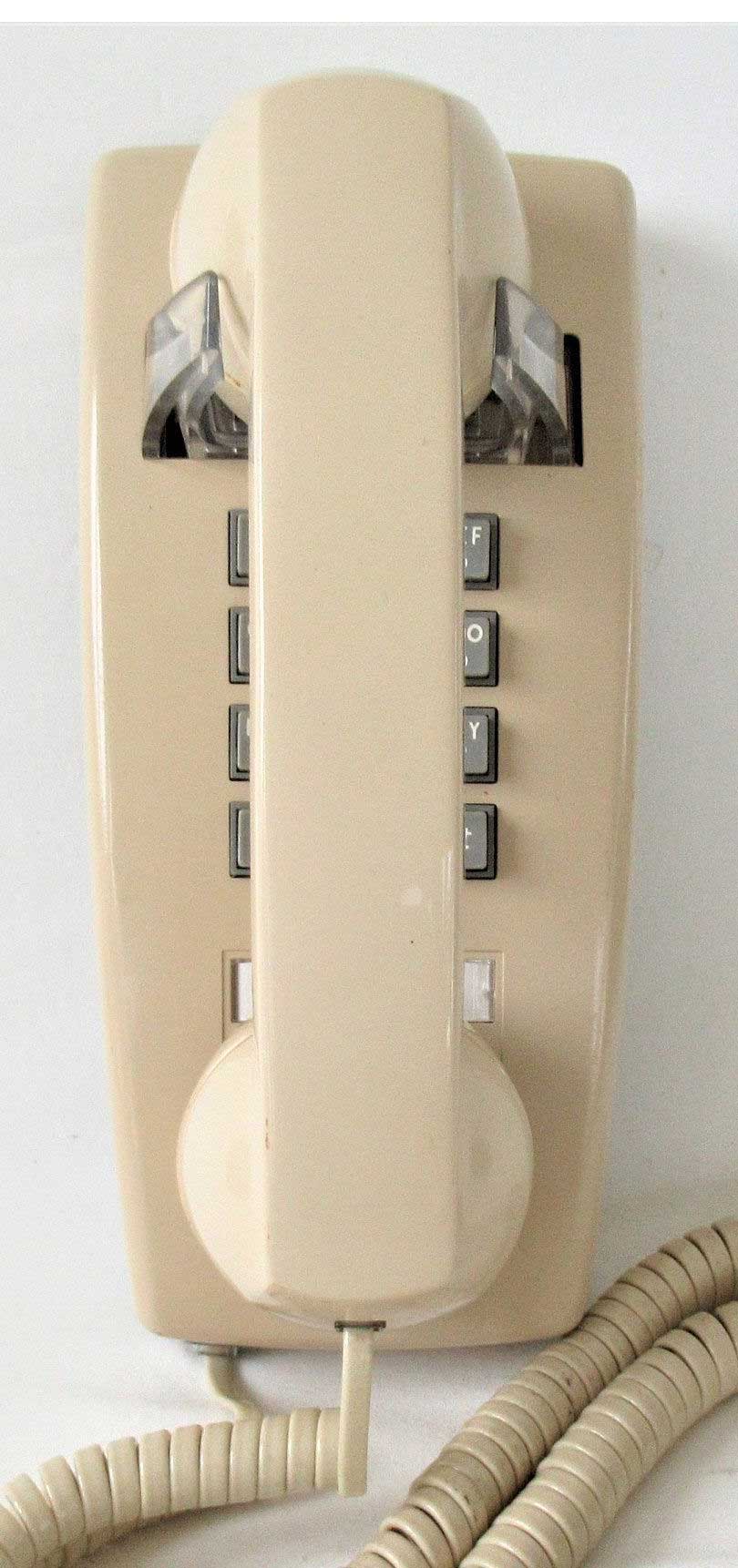
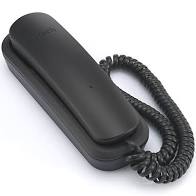
Phones went from black to colour, dial-up to touch-pad, desk to wall to cordless, single to multiple lines. They became thinner, flatter, lighter, “cooler”. Wall jacks allowed multiple phones on the same line but even with just one you could unplug and plug it into any other jack in your house.
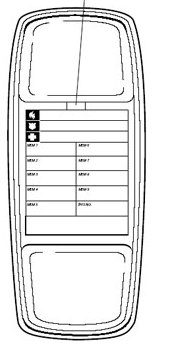
The first programmable model appeared soon after we moved to Morrisburg in 1988. It allowed us to enter up to ten numbers and names, while carefully printing the same information on a pad on the inside surface of the phone; all we had to do then to call was enter the assigned code. Speed dialing! We gathered the kids around to share in our excitement – but what I remember most is their lack of enthusiasm… the frontiers of science didn’t seem to have the same impact!
Over time we could program and record even when away from home. We could bank by phone. We could leave messages – they went from taped to digitized, and “messages” became “voicemail”.
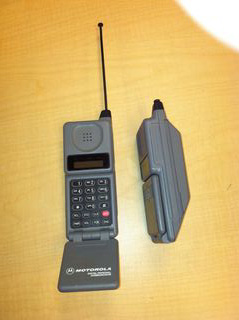
Not long after, the first practical mobile phones allowed conversations when travelling although reception was spotty. They also provided simple text messaging using letter combinations beneath the numbers… A=a, AA=b, AAA=c, and so on. Slow but useful in a pinch. With a young family In Morrisburg, I travelled the highways a lot and Larry was always concerned about us on the road. He bought me a portable flip-phone… no, wait… a Digital Personal Communicator… to keep in the car. By today’s standards it was hugely heavy and clunky with its enormous external battery, and since it kept its charge for only a day I always needed an extra. But it was definitely comforting.
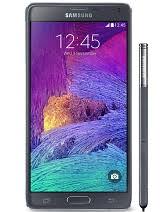
The iPhone entered the market in 1992 with its simple internet capabilities. The era of “smartphones” had begun. I started with the too-big Samsung Galaxy Note in 2011 (with its stylus that I came near to losing many times by accidentally dislodging it from the side of the phone). My friends teased me about its size but I loved it. Fast forward to today: We all carry these hand-held computers with full internet services, search capabilities, high quality cameras, GPS systems and more. Today I can do anything on my phone that I can do on my computer. In fact, I can do more… like take awesome photos and… well… even phone someone! Who knew?
 My Name is Sydney Jo